

























Top Waterproofing Solutions for Your Home or Building
Press release from North Construction Chemicals Apr 28, 2023

 Share
Share


Waterproofing is a crucial aspect of building construction that protects both the building and its inhabitants. There are many solutions available, but in this article, we have discussed some of the top solutions for your home or building.
Capillary Blocking
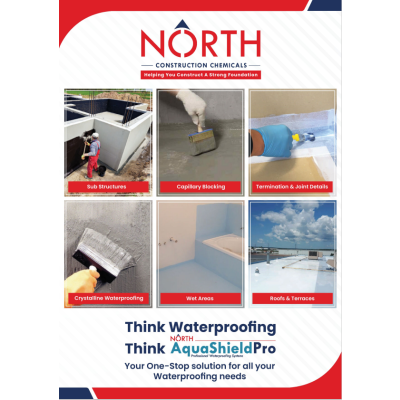
Capillary blocking involves applying slurries or renders to internal or external blocks or concrete surfaces to waterproof them. These systems, also known as cementitious and crystalline, contain both organic and inorganic substances that react together to plug the pores in concrete. Capillary blocking coatings prevent water from penetrating and can be applied quickly and easily.
Damp Proofing
Damp proofing is a process that treats a surface or building to stop the flow of water when hydrostatic pressure is not present. The proper application of damp-proofing materials prevents vapor from soils and reduces the transfer of water vapor within building materials and interior spaces. Damp proofing materials are used on both positive and negative sides of buildings, depending on the specific situation.
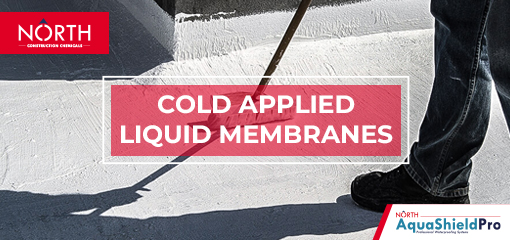
Liquid Membranes
Unlike damp proofing, waterproofing with membranes develops a system that can stop water leaking into building foundations when hydrostatic pressure is present. While membrane waterproofing resists both water vapor and liquid water, damp proofing prevents the transition of water vapor. Buildings with below-ground hydrostatic pressure or that have membrane waterproofing are necessary for grade spaces that cannot tolerate inside moisture or condensation.
Membranes can be applied by spray, brush, or adhesive sheets and come in both fluid and sheet forms. Urethanes, rubbers, plastics, vinyl, and polymeric asphalts make up fluid systems. The lack of seams is a significant benefit of using fluid-applied techniques. Flashing and transition accessories between other building exterior components are not required thanks to the seamless application. A membrane applied too thin will not have the elastomeric properties to bridge and withstand cracking and thermal movement.
It is important to note that both damp proofing and liquid membranes are important solutions that can prevent water damage to buildings and structures. The selection of the proper membrane type and application method is critical to ensure its effectiveness and longevity. Factors to consider include the substrate material, the expected movement of the building or structure, the intended use of the space, the location, the nature of the water problem and the environmental conditions such as temperature and moisture levels
Crystalline Waterproofing
Crystalline waterproofing is a cement-based powder capillary waterproofing technology that penetrates both new and aged concrete to withstand hydrostatic pressure. These systems are used to prevent water leakage, intrusion, or seepage in concrete structures. They are applied as a slurry consistency after being mixed with water. The active substances combine with the free lime and moisture in the concrete's capillary route to form an insoluble crystalline complex. These crystals seal off the capillaries and small shrinkage fissures in the concrete to stop any further water intrusion.
Try these waterproofing solutions for your home and keep it protected for a long period of time. When applying a membrane, proper surface preparation is crucial to ensure adhesion and prevent any contamination that could compromise the membrane's effectiveness. The surface should be clean, dry, and free of any debris or contaminants. Any cracks, voids, or defects in the substrate should be repaired before the membrane is applied.
Regular inspection and maintenance of the membrane are also important to ensure its continued performance. Any damage or deterioration should be addressed promptly to prevent water intrusion and potential damage to the building or structure.