


























Choosing the Right Flooring Solution for Your Needs: A Comprehensive Guide
Press release from North Construction Chemicals Apr 28, 2023

 Share
Share


When it comes to designing or renovating a space, choosing the right flooring solution can be a challenging task. There are various types of flooring options available in the market, each with its unique characteristics and benefits. The flooring you choose can impact the overall look, feel, and functionality of your space. Therefore, it's crucial to consider several factors such as the type of room, the amount of traffic, and the maintenance required to make an informed decision. This comprehensive guide will explore different types of flooring solutions, their pros, and cons, and provide helpful tips to help you choose the perfect flooring solution for your needs.
Epoxy Flooring:
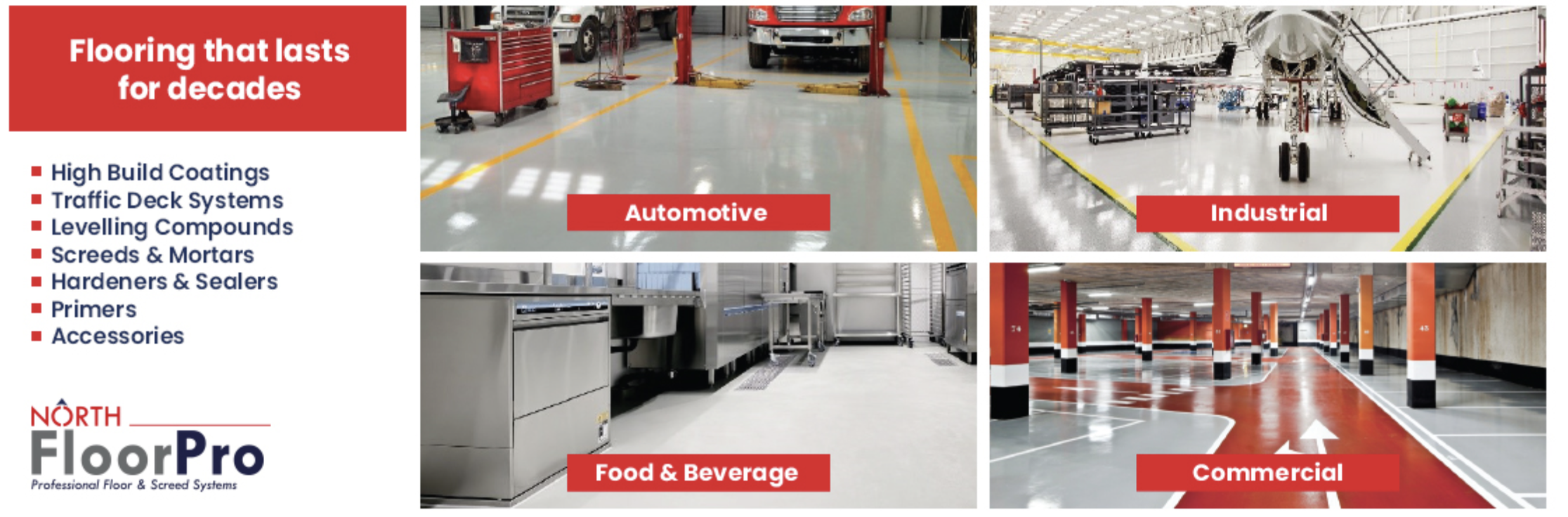
Epoxy flooring is a highly durable solution that can withstand industrial hazards and is resistant to cracking, which is a common problem with concrete. This type of flooring offers excellent protection against abrasion, corrosion, temperature extremes, and chemical spills. Even though it is essential to clean up spills as soon as possible, typical industrial accidents will not cause damage to epoxy floors. In addition to its durability, epoxy flooring can also enhance operational safety, which is a top priority in any industrial setting. Its high sheen reflects light sources more effectively, improving visibility. Unlike polished concrete, epoxy flooring is not slippery, making it a safer option for preventing slip-and-fall accidents in industrial workplaces. Heavy-duty vehicles, such as trucks, can also benefit from epoxy flooring since it offers better traction and reduces the risk of skidding around corners.
Polyurethane Flooring Systems:
By adding a polyurethane topcoat to an "epoxy" floor coating system, you can improve its chemical resistance, scratch resistance, gloss retention, and resistance to yellowing. It also makes it easier to clean. To increase slip and wear resistance, fine aggregate additives made from silica sand can be mixed into the urethane topcoat while maintaining easy cleanability. When choosing the best combination of primers, basecoats, and topcoats for polymer floor coatings, it's important to consider individual needs and circumstances to achieve the desired results.
Self-levelling floors.
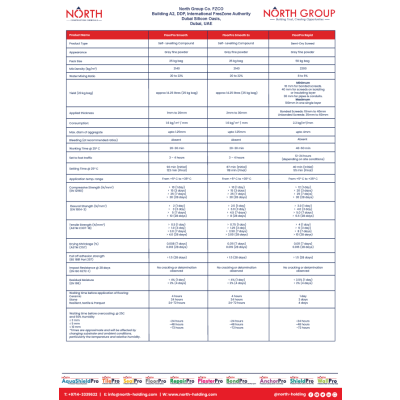
Self-levelling flooring systems are designed to create a smooth, level surface that is free from imperfections, bumps, and dips. They are commonly used in commercial, industrial, and residential settings for a variety of reasons such as durability, hygiene and enhance aesthetics.
Self-levelling flooring systems are commonly used in a variety of settings, including Warehouses and industrial facilities, Retail spaces, Hospitals and healthcare facilities, etc. Self-levelling Floors are generally solvent-free, multi-component epoxy overlay system that is self-smoothing and designed to protect concrete floors continuously. The thickness of this system can range from 2.0 to 5.0 mm, and once cured, it produces a glossy and colorful surface. A serrated trowel or toothed spreader is used to apply the product, which is then rolled with a nylon needle roller to remove trapped air. However, significant unevenness in the substrate cannot be leveled out with self-flowing floor treatments, making it impossible to achieve a smooth surface in such cases. Applying a primer first to seal pores in the substrate is important. Self-levelling Floors offer excellent wear and abrasion resistance for high-traffic floors, making them ideal for hygienic surfaces that require easy cleaning due to their smooth, ultra-dense, and high-gloss finish. While the product provides good general resistance to a wide range of chemical corrosives, a full analysis of operating conditions is necessary, followed by a reference to chemical resistance data, to ensure product suitability.
Trowel Floors
Trowel floors (wearing courses) are flooring systems made up of graded inert materials combined with epoxy, polyurethane, or methacrylic resins. They are available in both pigmented and colorless versions and have a layer thickness of 5-12 mm. Trowel floors contain a high proportion of filler, making them mechanically strong (the resin-to-filler ratio ranges from 1:7 to 1:11). The mortar is applied by hand or machine over the primer layer, resulting in a matte appearance. To increase chemical resistance and make it easy to clean, a trowel floor surface can be sealed. The selection of the most suitable mortar and sealant depends on the requirements that need to be met.
Cementitious Flooring
These flooring systems are self-smoothing and cementitious, making them resistant to moisture. They can be applied both internally and externally onto existing or new substrates. They can be used as an underlay for various flooring types such as ceramic tiles, natural stones, agglomerates, resin floors, and resilient flooring finishes. Although traditionally used as an underlay for carpeting and linoleum, recent developments have resulted in cementitious floor systems with high mechanical strength, making them ideal for industrial applications. One major advantage of this system is that it can be applied quickly and easily using a pump, with layer thickness varying between 5-40 mm. Even if the substrate is uneven, rolling with a needle roller ensures that trapped air is released, creating a smooth and level floor. Cementitious floor systems are ideal for renovating industrial floor surfaces when the existing floor systems cannot be removed. Only water is needed to obtain the desired consistency for pumping or manual installation on-site.
Hygienic / Chemically Resistant Floors
These systems are distinct floors made of High-Density Polyurethane resin that has outstanding resistance to harsh chemicals. They create a sleek and protective surface suitable for use in mostly dry settings. The floors are compact and impermeable, making them the perfect finish for floors in the food, pharmaceutical, and manufacturing industries. They are ideal for a range of applications including clean rooms, laboratories, packaging halls, warehouses, and any location where a strong and durable floor is necessary.
At North, we provide a comprehensive floor survey service that includes an initial site visit by a specialist team, who use advanced equipment to assess the condition of the existing floor. The team then generates a detailed report that identifies any areas of concern and recommends appropriate solutions.
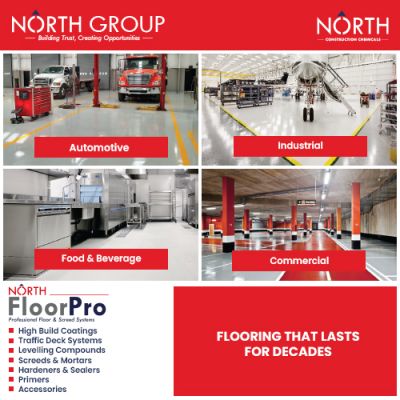
Whether you need hygienic and chemically resistant floors for your food or pharmaceutical industry, self-levelling floors for high-traffic areas, or cementitious flooring for industrial applications, North can help you choose the perfect flooring solution for your needs. Contact us today to learn more about our services and how we can assist you in choosing the right flooring solution for your space.
#flooringsolutions #industrialflooring #hygienicfloors #chemicallyresistantfloors #cementitiousflooring #selflevellingfloors